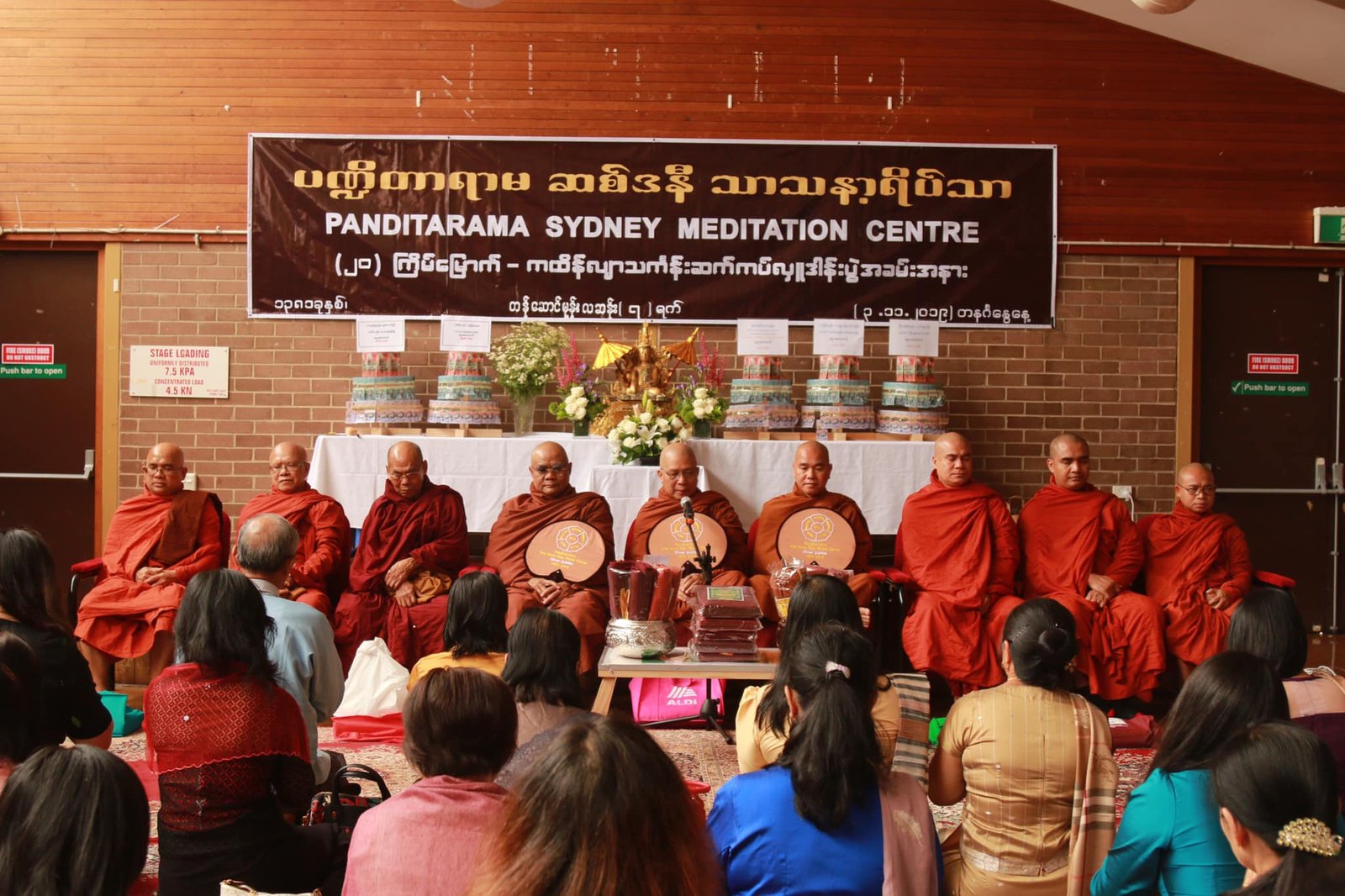
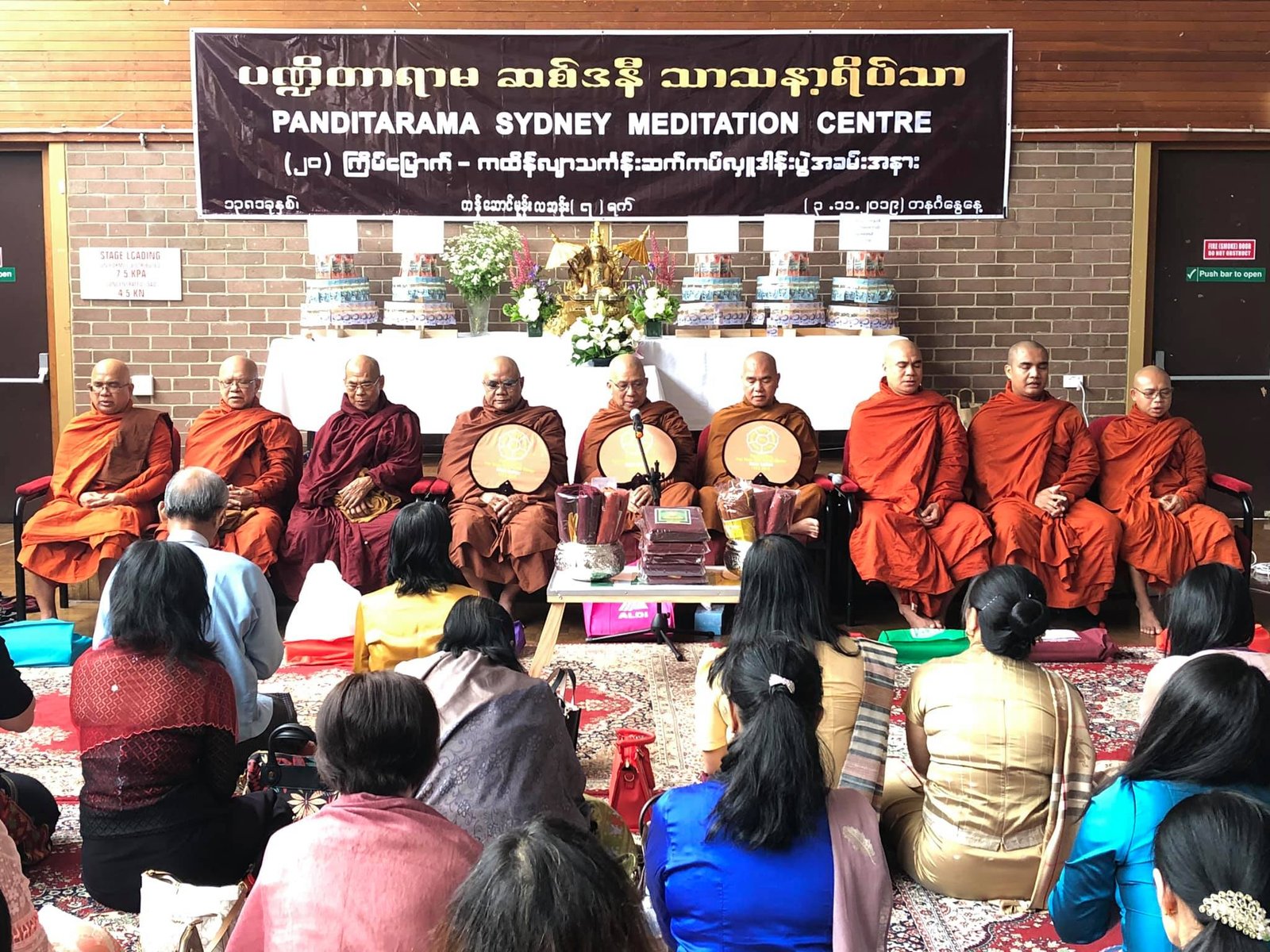
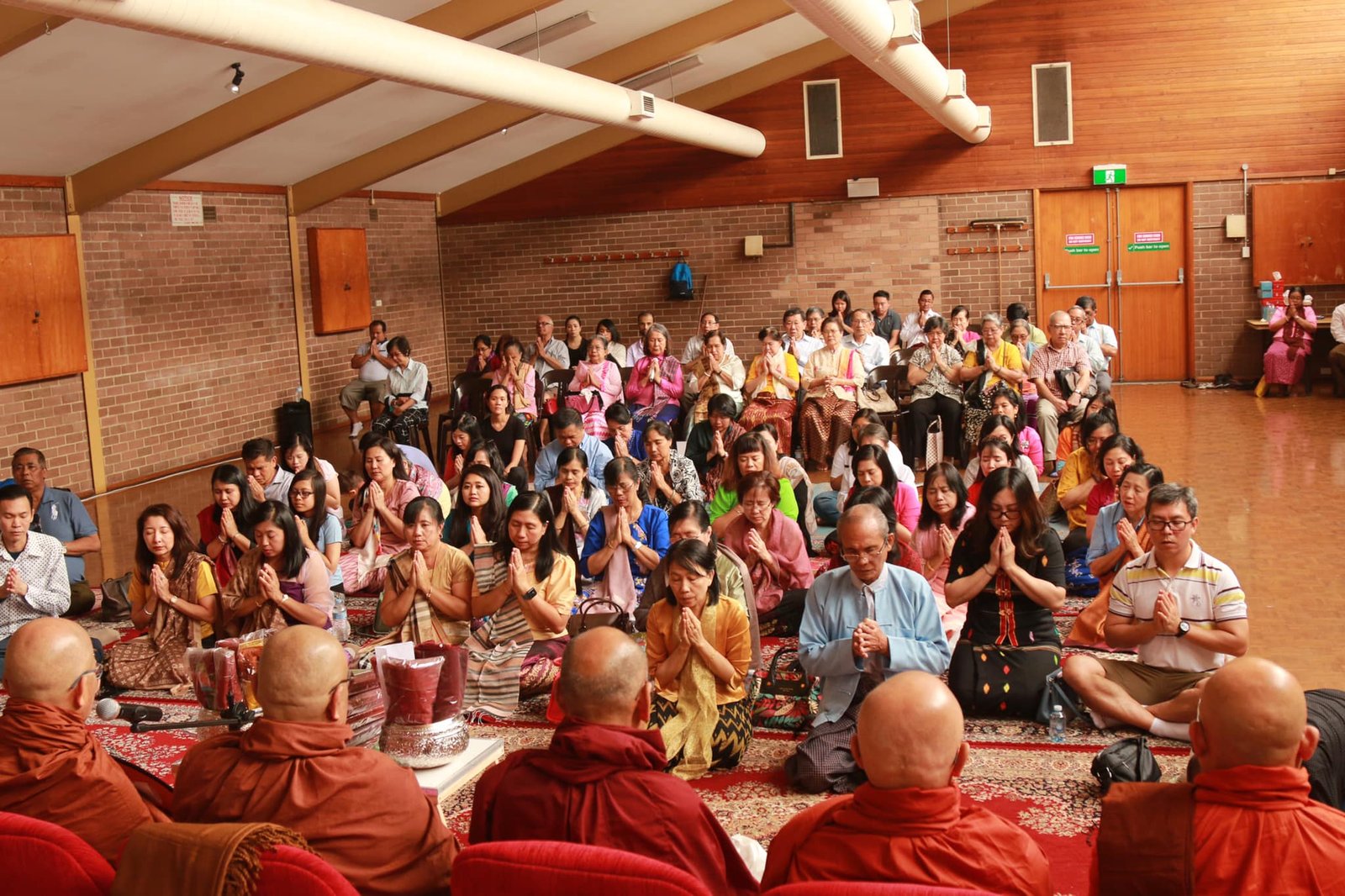
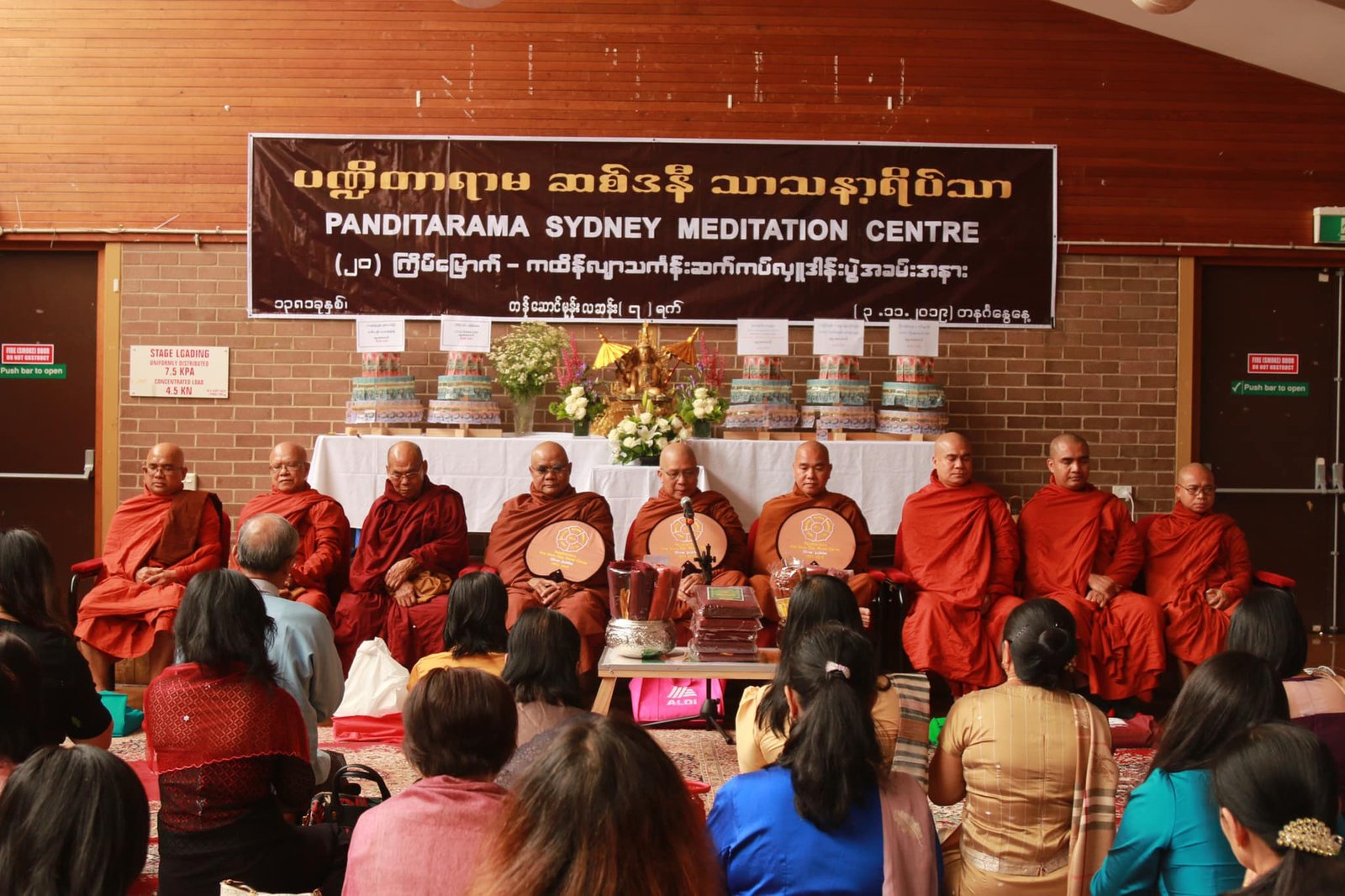
Welcome to Panditarama Sydney Meditation Centre. Thank you for offering your time, skills, and service to support our Centre. Volunteers are the heart of our community and play a vital role in sustaining the Dhamma, supporting visitors, and maintaining a peaceful and welcoming environment for all.
This Volunteer Handbook provides guidance on what you can expect as a volunteer and what PSMC expects from you. It is designed to support you in your role and ensure a safe, respectful, and harmonious volunteering experience.

PSMC is grounded in the teachings of the Buddha and the guidance of the Sayadaw. All volunteers are expected to uphold:
All volunteers must:
PSMC has zero tolerance for discrimination, harassment, bullying, or abusive behaviour of any kind.
As a volunteer, you are expected to:
Volunteers are encouraged to raise questions or seek clarification at any time.
PSMC is committed to providing a safe environment for children and vulnerable persons.
Volunteers must:
Background checks and training may be required for certain roles.
PSMC is committed to providing a safe volunteering environment in line with Work Health and Safety (WHS) requirements.
Volunteers must:
If you feel unwell or unsafe, please notify the Volunteer Coordinator.
Volunteers must avoid situations where personal, financial, or other interests conflict with their duties at PSMC.
You are required to:
PSMC values open and respectful communication.
PSMC deeply values the generosity and commitment of all volunteers.
We recognise volunteer contributions through:
Your service helps sustain the Centre and support the wider community.
Volunteering at PSMC is unpaid and voluntary. Either the volunteer or PSMC may end the volunteering arrangement at any time. Volunteers are encouraged to provide reasonable notice where possible.
By volunteering at PSMC, you agree to comply with this Volunteer Handbook and all Centre policies.
Thank you for your generosity, service, and commitment to the Dhamma.
| Version | Date Issued | Next Review Date | Approved By |
| V.1.0 | 10 Jan 2026 | 10 Jan 2028 | Executive Committee |
We greatly appreciate and welcome your kind generosity to help support the continuous development of the centre.
© 2026 PSMC. All rights reserved.


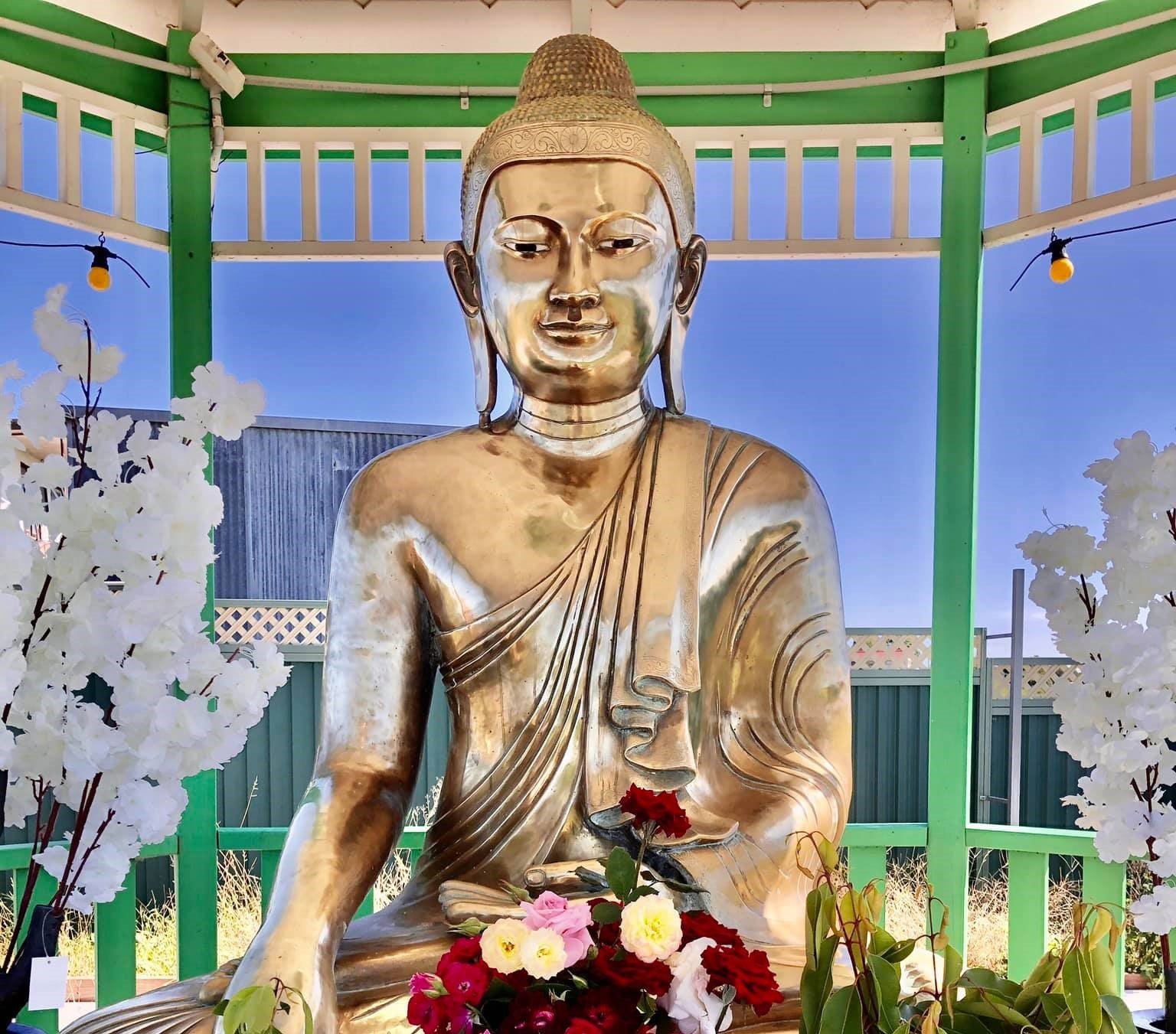
For the next 45 years, the Buddha travelled widely across northern India, sharing his teachings with anyone eager to learn—monks, nuns, farmers, royalty, merchants, and people from all walks of life. His teachings emphasised wisdom, moral conduct, mindfulness, compassion, and the potential for every being to awaken.
He established monastic communities, guided thousands of followers, and offered practical teachings that continue to resonate today. The Buddha taught in a simple and accessible manner, focusing on understanding the mind, cultivating virtue, and realising inner peace.
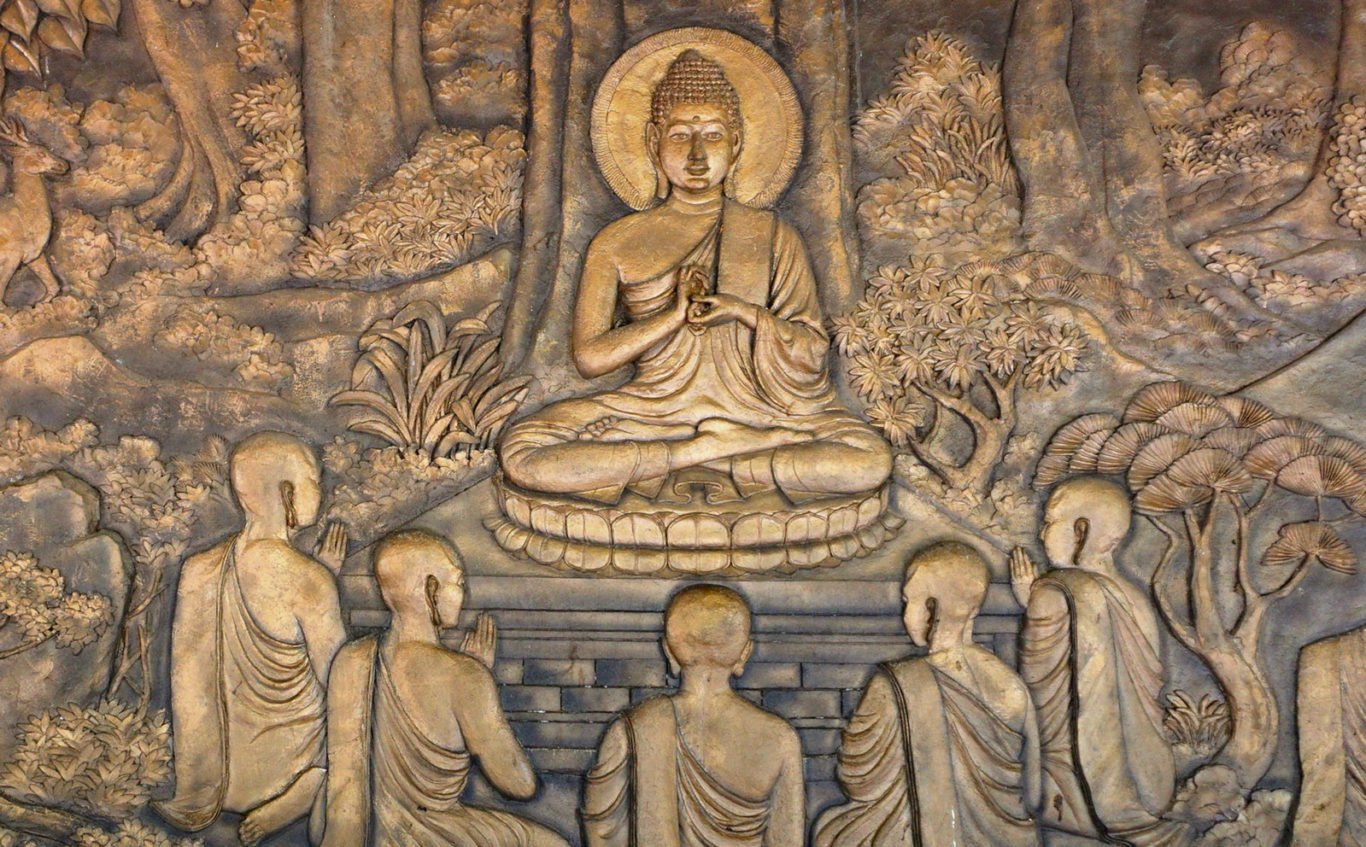
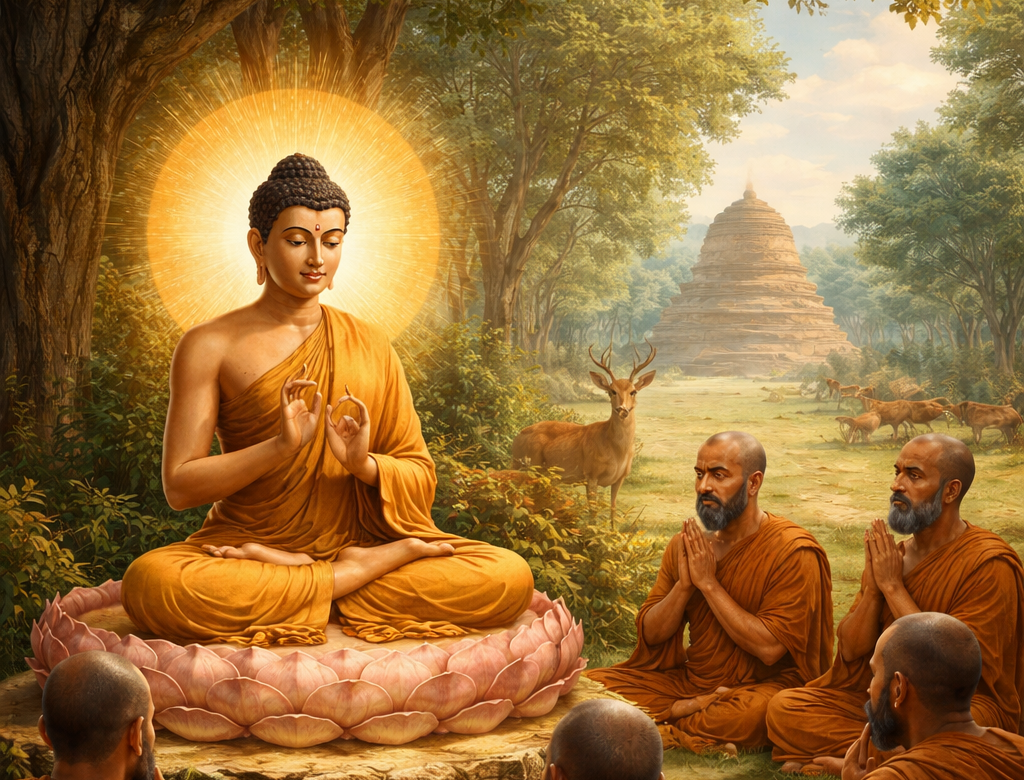
Soon after his enlightenment, the Buddha travelled to Sarnath, where he delivered his first discourse to five former companions. This teaching, known as the Dhammacakkappavattana Sutta, introduced the Four Noble Truths and the Noble Eightfold Path. With this, the Sangha—the community of monks—was born, marking the beginning of the spread of the Dhamma.


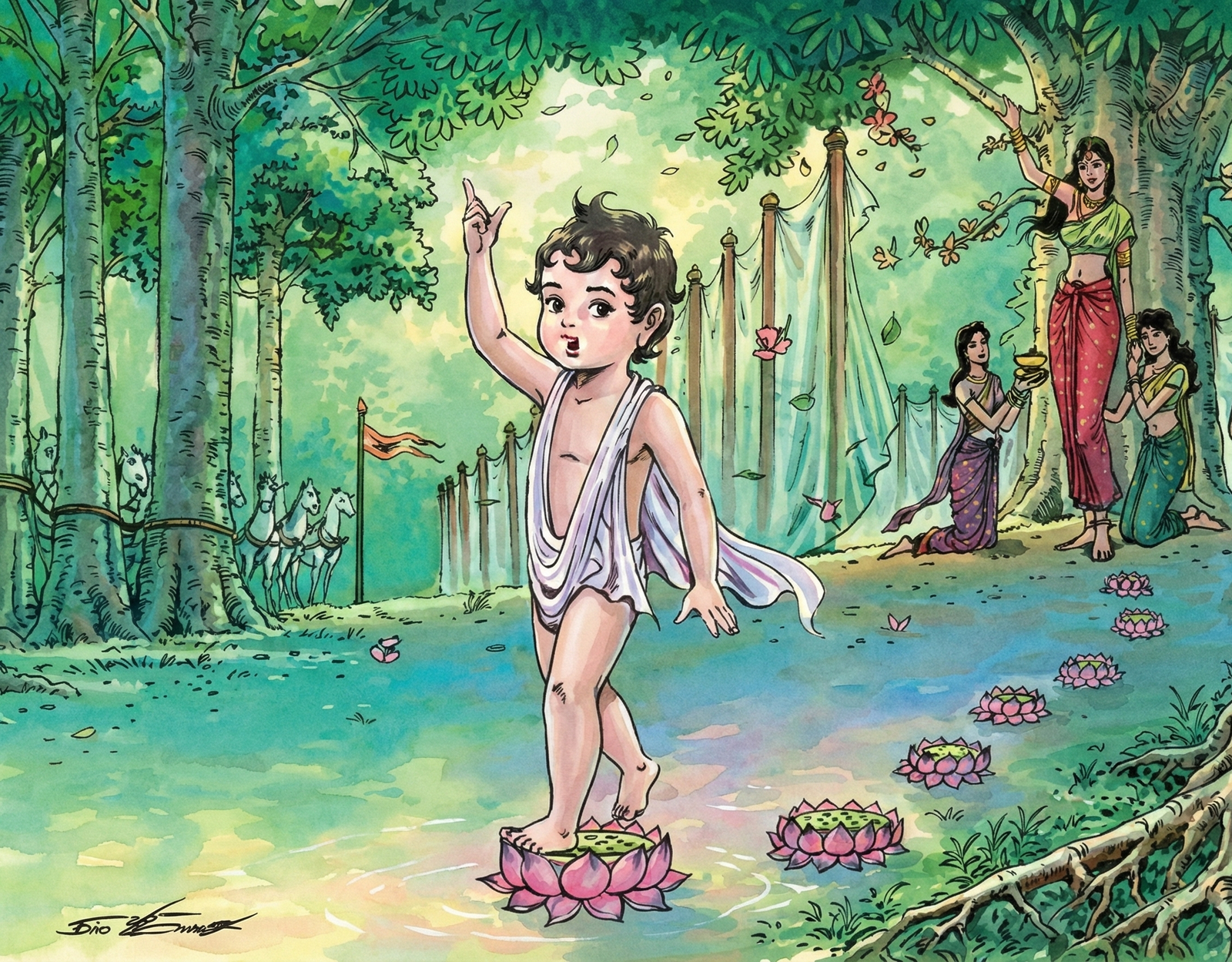
Siddhartha Gautama, who would later become the Buddha, was born around 563 BCE in Lumbini, a region that is now part of Nepal. He was born into the royal Shakya clan to King Suddhodana and Queen Maya. Tradition describes his birth as peaceful and auspicious. After his mother’s passing one week later, Siddhartha was lovingly raised by his aunt, Queen Mahapajapati.
Growing up in the city of Kapilavatthu, Siddhartha enjoyed a privileged and protected life. His father, wishing to shield him from the hardships and uncertainties of the world, ensured he received the finest education, martial training, and a life surrounded by comfort. At the age of sixteen, Siddhartha married Princess Yasodhara, and together they had a son named Rahula.